When an aging parent refuses help, the approach that usually works best is to slow down, find out what they are afraid of losing, and offer small, specific help on their terms. In Ontario, adults are presumed capable of making their own decisions, so patient conversations and a gradual start tend to work better than pressure.

Key takeaways
- Refusing help is usually about fear: of losing independence, privacy, control or money. Find out which one before you push.
- Ontario law assumes adults are capable of making decisions until it is proven they are not, so a capable parent can say no, even to choices you find risky.
- Start small. A few hours of help with errands or housekeeping is easier to accept than “a caregiver”.
- A power of attorney for personal care and for property is far easier to put in place while your parent is still capable.
- Your own wellbeing matters too. The Ontario Caregiver Helpline is free and open 24/7 at 1-833-416-2273.
Why Your Aging Parent Refuses Help
From the outside, it can look like stubbornness. From your parent’s side, accepting help can feel like the first step toward losing their home, their routines and their say over their own life. Common reasons include:
- Fear of losing independence, or of being “put in a home”.
- Pride, and not wanting to be a burden on their children.
- Discomfort with a stranger in the house, especially for bathing or dressing.
- Worry about cost.
- Not seeing the problem. Changes that are obvious to you may not be obvious to them, particularly if memory is changing.
- Grief. Needing help can be a painful reminder of what they can no longer do.
Naming the real reason changes the conversation. A parent worried about cost needs different answers than a parent worried about privacy.
1. Start With What They Want to Keep
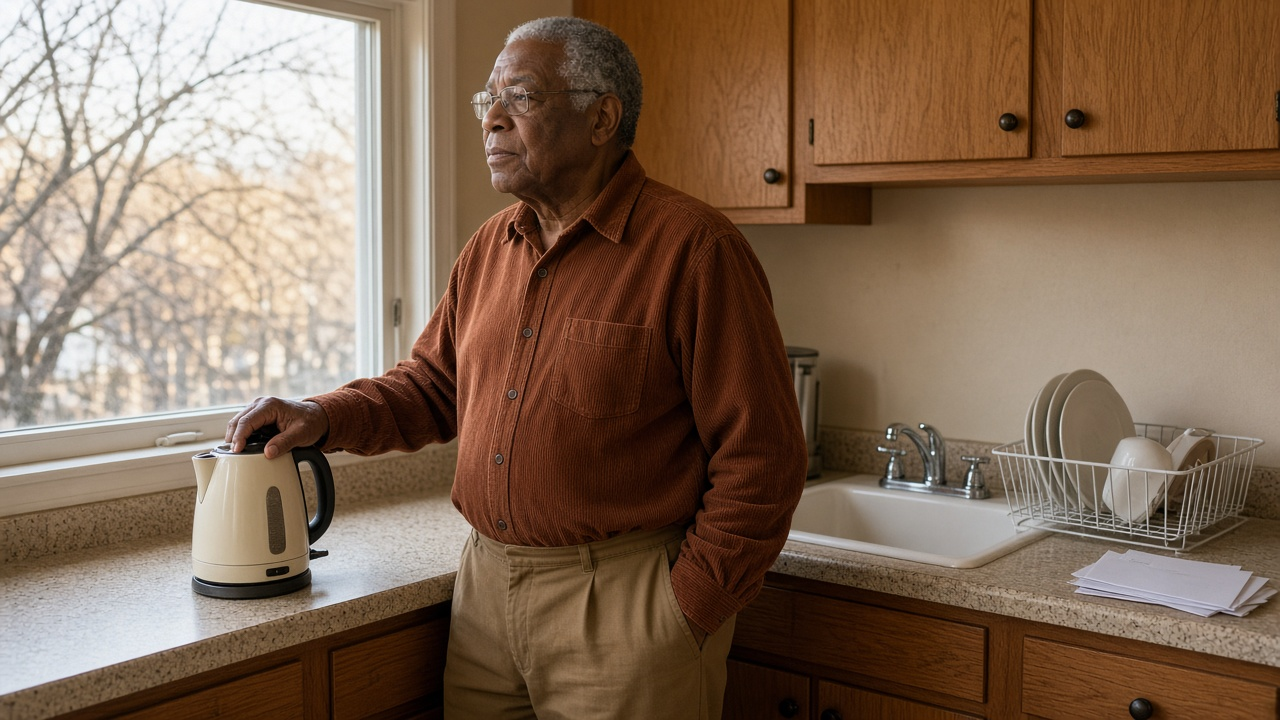
Instead of opening with what your parent can no longer do, ask what matters most to them. Staying in the house? Keeping the garden? Seeing friends at church on Sunday? Then frame help as the way to protect those things.
- Ask open questions and listen more than you talk: “What is the hardest part of the week for you right now?”
- Share your worry honestly, using “I” statements: “I worry about you on the stairs when I am not here.”
- Expect more than one conversation. A first “no” is often a starting point, not a final answer.
2. Choose the Right Time, Place and Messenger
Timing matters. Avoid raising it during a crisis, at a busy family dinner, or when your parent is tired. A calm, private conversation at home usually goes better.
Think about who your parent listens to. Sometimes advice lands better from their family doctor, a trusted friend or a sibling than from the child who does the most worrying. If several family members are involved, agree on the message first, so your parent does not feel outnumbered or hear mixed signals.
3. Offer a Trial, Not a Life Change
When an elderly parent refuses help, “let’s try it for a month” is much easier to accept than a permanent arrangement. Start with the task your parent finds most tiring, or the one that worries you most.
- Begin with practical tasks: home support such as grocery shopping, errands, meal preparation, laundry and housekeeping often feels less personal than help with bathing.
- Frame visits as company rather than care. Companionship visits for conversation, outings and activities can build trust before any personal care is needed.
- Make it about you, if that helps. Some parents will accept help “so you can stop worrying” or so a family caregiver can have a break through respite care, when they would refuse it for themselves.
- Review it together after a few weeks, and adjust.
4. Keep Your Parent in Charge
People accept help more easily when they still feel in control. Give your parent real choices: which days, what time, which tasks come first, and what they would rather keep doing themselves. Invite them to meet the caregiver before the first visit, and to be part of the assessment rather than the subject of it.
A familiar face also makes a difference. Consistent visits help your parent build trust and settle into a routine.
5. Know Your Parent’s Rights in Ontario
It is hard to watch a parent make a choice you think is unsafe. But according to the Government of Ontario, Ontario law assumes that adults are capable of making decisions until it is proven they are not. A person can be capable of making one kind of decision but not another, and their ability can change over time.
In practice, that means a capable parent can turn down home care, even if the family disagrees. Consent is required for most health care services. If a person is not mentally capable, a health practitioner or Ontario Health atHome must turn to a substitute decision maker, usually a relative, and someone appointed as attorney for personal care has priority.
Put a power of attorney in place early
A power of attorney lets your parent choose someone they trust to make decisions if they cannot. There are two types in Ontario:
- Personal care: decisions about health care, housing, and daily life such as meals and clothing.
- Property: decisions about finances, such as paying bills, managing investments, and maintaining or selling the house.
Your parent must be mentally capable to make a power of attorney, which is why it is best done early. Ontario offers a free kit to make one, or a lawyer can prepare it. Without an attorney for property, even a spouse cannot automatically step in to make financial decisions.
6. When Memory Changes Are Part of the Picture
If your parent is living with dementia, refusing help may have less to do with pride and more to do with confusion, fear or not recognizing that something has changed. Arguing about facts rarely helps. Try to respond to the feeling behind the refusal, keep explanations short, and try again later if the moment is not right.
Routine helps. Care that arrives at the same time, with the same approach, is easier to accept than help that changes every week. Our dementia care at home page explains how structured routines can support your parent and your family. Your local Alzheimer Society also offers free support for families.
7. When to Act Even if They Say No
Even when your aging parent refuses help, respecting their choices does not mean waiting for a disaster. If your parent is in immediate danger, call 911. For situations that are not an emergency, where you believe mental incapacity is putting your parent at serious risk of harm, the Government of Ontario lists these options:
- Contacting community agencies that may be able to help. Ontario211 can help you find local programs and services.
- Having a formal capacity assessment done. Note that an assessment cannot be done if the person refuses it, unless it is court ordered.
- Asking the court to appoint a guardian for financial and personal care decisions.
- Contacting the Office of the Public Guardian and Trustee, which may investigate if no other solution can be found.
These are serious steps. For most families, they are a last resort after patient conversations, a trial of help and a talk with your parent’s doctor.
8. Look After Yourself, Too
Caring for a parent who refuses help is exhausting. You may be covering the gaps yourself, worrying constantly and feeling guilty when you push. If you are running on empty, that is a sign to get support for yourself as well.
The Ontario Caregiver Organization runs a free, confidential helpline for family caregivers, available 24/7 at 1-833-416-2273. Respite care can also give you a regular break while your parent gets used to having support.

What to Say Instead: Conversation Starters
| Instead of | Try |
|---|---|
| “You can’t manage on your own anymore.” | “What would make the week easier for you?” |
| “You need a caregiver.” | “What if someone helped with groceries and laundry, so you have more energy for the things you enjoy?” |
| “It’s not safe for you here.” | “I want you to stay in your home as long as possible. What would help you do that?” |
| “We’ve already arranged it.” | “Would you be willing to try it for a month, and then we decide together?” |
| “You’re being stubborn.” | “I can tell this is hard. What worries you most about having help?” |
How First Class Home Care Helps Families Start Small
Many of the families we meet start with a parent who has said no more than once. Our approach is to begin with whatever your parent is comfortable with and build from there.
- Home support: groceries, errands, meals, laundry and housekeeping.
- Companionship: conversation, activities and regular check ins.
- Personal care: help with bathing, dressing and mobility, when your parent is ready.
- Dementia care and respite care: structured routines for your parent and a break for you.
Our caregivers are PSWs, Social Service Workers and Nursing Certified personnel, with non-medical oversight from our Personal Care Managers. Assessments are always conducted by one of the owners, and your parent is welcome to be part of that conversation. If your parent already receives publicly funded hours, we can plan around them. Our guide to whether OHIP covers home care explains how the two work together.
Not sure whether your parent needs help yet? Read how to know when your aging parent needs home care.
Frequently Asked Questions
What should I do if my aging parent refuses help?
Find out what they are worried about, offer small and specific help on a trial basis, let them make choices about how it works, and involve someone they trust, such as their doctor. Expect several conversations rather than one.
Can I force my parent to accept home care in Ontario?
Not if your parent is mentally capable. Ontario law assumes adults are capable of making decisions until it is proven they are not. If your parent is not capable of a decision, a substitute decision maker, such as their attorney for personal care, makes it for them.
What if my parent with dementia refuses help?
Respond to the feeling behind the refusal rather than arguing about facts, keep explanations short, and try again later. A consistent routine, introduced gradually, is often easier to accept. Your local Alzheimer Society can also offer support.
Can a power of attorney make my parent accept care?
An attorney for personal care makes health care and personal care decisions when your parent is not mentally capable of making them. An attorney for property can act on financial matters right away, unless the document says otherwise. Neither overrides the choices of a capable parent.
Where can I get support as a family caregiver in Ontario?
The Ontario Caregiver Organization offers a free, confidential helpline for caregivers, available 24/7 at 1-833-416-2273. Respite care can also give family caregivers a regular break.
Small Steps Work Better Than Big Ultimatums
When an aging parent refuses help, it is rarely the end of the conversation. With patience, a small first step and your parent’s sense of control intact, many families find a way forward together. First Class Home Care serves Mississauga, Oakville, Milton, Etobicoke West, Burlington, Guelph, Elora and Fergus. Your first consultation is FREE, and one of the owners will talk it through with you and your parent.
Call 905-636-9995 or toll free 1-855-636-9995, email info@firstclasshomecareinc.com, or reach us through our contact page.